
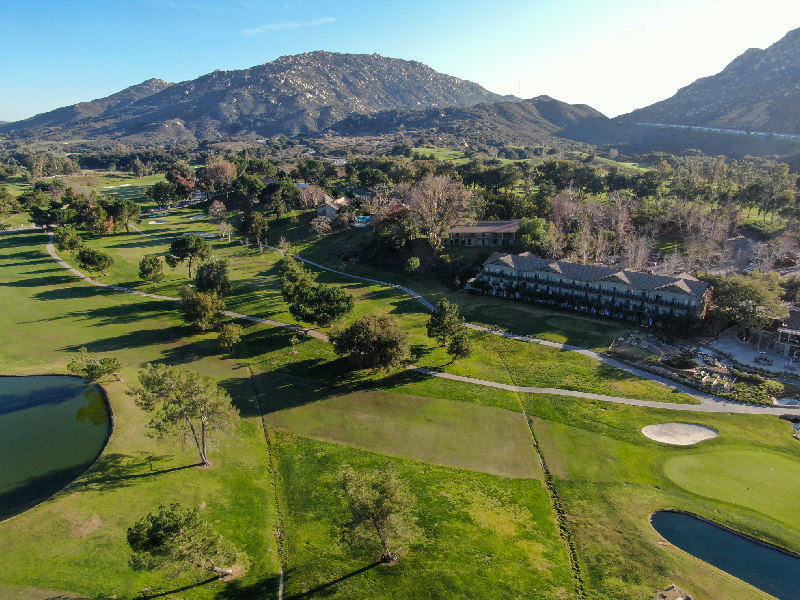
The boundary between the manicured field of play and the surrounding natural environment is where true artistry resides. The integration of landscape architecture with professional Golf Course Design is what transforms a simple sporting venue into an immersive, world-class destination. This holistic approach begins during the Masterplanning phase, where the architect identifies existing flora and vistas to frame the golf experience. By utilizing native plant palettes and naturalized transitions, designers ensure the facility aligns with the goals of Sustainable Golf , reducing the need for intensive irrigation and chemical inputs. A well-landscaped course doesn’t just look better; it feels more established and provides a sense of place that enhances the overall Playability . During the Construction stage, the precision of the earthworks is paired with strategic planting to create visual depth and safety buffers. This is particularly vital in a Real Estate Development setting, where the landscape must act as a bridge between private residences and the open fairways. This synopsis explores how the marriage of botany and ballistics creates a resilient, beautiful, and strategically complex landscape. By treating the entire property as a canvas, developers can create a lasting legacy of environmental beauty that inspires every player who walks the course.
Golf is the only sport played in an expansive, living stadium. Therefore, professional Golf Course Design cannot exist in a vacuum; it must be intrinsically linked with landscape architecture. This symbiosis ensures that the course doesn’t just sit on the land but belongs to it. Landscape architecture provides the “softscape” that complements the “hardscape” of the tees, bunkers, and greens. By carefully selecting trees, shrubs, and grasses that reflect the local ecosystem, the architect creates a cohesive aesthetic. This approach elevates the prestige of the facility, making it feel like a natural part of the landscape that has matured over decades rather than being a recent addition.
The most memorable holes in golf are often those that utilize “borrowed scenery”—distant mountains, water bodies, or local landmarks. During the Masterplanning phase, the design team identifies these key vistas and routes the course to highlight them. Landscape architecture plays a crucial role here by “framing” these views. Strategically placed clusters of trees or tall grasses can act as blinkers, focusing the golfer’s eye on the target and the horizon. This deliberate manipulation of sightlines adds a cinematic quality to the round. It turns a game of golf into a scenic journey, ensuring that the golfer remains visually engaged from the first tee to the final green.
Landscape architecture is a powerful tool for improving Playability . Plants can be used to define the “envelope” of a hole, giving the golfer a clear sense of the strategic corridor. For example, a transition from short-mown turf to a tawny, native fescue rough provides a sharp visual contrast that defines the risk-reward boundaries. Trees can be used to indicate the “preferred side” of a fairway or to act as aiming points on blind shots. Furthermore, different textures and colors in the landscape help golfers judge depth and distance more accurately. When the landscape provides clear communication, the game becomes more intuitive and enjoyable for players of all skill levels.
Modern development is increasingly defined by its environmental footprint. Integrating landscape architecture with Sustainable Golf principles involves a “native-first” philosophy. By using plants that are indigenous to the region, designers ensure that the landscape is naturally adapted to the local climate and soil. These plants require significantly less water, fertilizer, and maintenance than exotic species. During the design phase, architects identify areas of the property that can be left in their natural state or restored to native meadow. This reduces the total acreage of intensively managed turf, lowering operational costs and creating a sanctuary for local wildlife and pollinators.
The physical realization of a landscaped course requires tight coordination during the Construction phase. As the heavy machinery shapes the fairways and bunkers, the planting plan must be executed in stages to prevent soil erosion and ensure successful establishment. Large specimen trees are often preserved or transplanted during the early earthworks to provide instant scale and character. Precise grading is required to ensure that the landscaped areas drain away from the playing surfaces. This technical harmony between the shapers and the horticulturists ensures that the “living” components of the course are given the best possible start, protecting the investment in the facility’s long-term beauty.
In the context of a Real Estate Development , the landscape is the ultimate bridge between the residential and the recreational. Professional landscape architecture ensures that the golf course acts as a vast, high-end park for the homeowners. It provides privacy through strategic screening while maintaining the open, green views that drive property premiums. Flowing, naturalized landscapes are more appealing to modern homebuyers than rigid, artificial plantings. By creating a beautiful, low-maintenance environment that wraps around the homes, the developer enhances the overall quality of life and the marketability of the project, turning the golf course into a premier lifestyle asset.
At GDI Group, we don’t just design golf holes; we create integrated landscapes that inspire. Our team includes experts who understand how to weave Golf Course Design into the fabric of the natural environment. We specialize in using native plant palettes to create stunning visual contrasts and sustainable ecosystems. Our philosophy is rooted in the belief that the best courses are those that reflect the soul of the land. By prioritizing Masterplanning and artistic landscape integration, we ensure that every project we touch is both strategically deep and aesthetically breathtaking. We build courses that are as much a joy to look at as they are to play.
GDI Group offers a comprehensive, integrated design service that covers every aspect of the golf and landscape experience. From initial site feasibility and Masterplanning to final Construction and planting, we manage the entire process to ensure a cohesive result. We work with clients to ensure their Real Estate Development or private club becomes a benchmark for beauty and Sustainable Golf . Our commitment to quality ensures that your facility will mature into a legendary destination. Partner with GDI to create a sporting landscape that transcends the game, providing a timeless environment of luxury and natural wonder.
Tree management is essential because trees influence turf health, strategy, and safety. In a professional Golf Course Design, trees are used to frame holes and provide vertical interest, but they must be placed carefully to avoid blocking sunlight and airflow to the greens. Poorly positioned trees can lead to weak turf and high disease pressure. Furthermore, as trees grow, they can change the strategic intent of a hole by narrowing the playing corridor too much. A professional architect evaluates the existing forest and plans for selective clearing or new planting to ensure the course remains healthy and playable for decades.
Native plants are naturally adapted to the local environment, meaning they have evolved to survive in the specific soil types and rainfall patterns of the region. Unlike ornamental or exotic plants, they generally do not require supplemental irrigation once established. They are also more resistant to local pests and diseases, which eliminates the need for expensive chemical treatments. In the context of Sustainable Golf, using native grasses in out-of-play areas reduces the total acreage that needs to be mowed and fertilized. This translates to significant savings in labor, fuel, and material costs over the life of the course.
“Borrowed Scenery” is a concept from traditional landscape architecture where external elements outside the property boundary are incorporated into the visual experience. During Masterplanning, an architect will identify a beautiful mountain peak, a historic tower, or a distant lake and align the fairway or a green to draw the eye toward that feature. This makes the course feel much larger and more connected to the region. It adds a unique “sense of place” that cannot be replicated elsewhere. By framing these external features with local landscaping, the designer creates a more prestigious and memorable environment for the golfer.
Landscape architecture acts as a soft but effective safety barrier between the golf course and residential homes. Clusters of trees or dense shrubbery can be used to deflect errant shots away from windows and patios. During Masterplanning, architects use planting to define the “safety envelope” of each hole. Furthermore, landscaping can be used to direct foot and cart traffic away from private property, ensuring that the interface between the golfers and the residents remains respectful. By using “defensive planting”—such as thorny bushes or dense hedges—designers can manage security and safety without the need for unsightly fences.
While landscaping doesn’t directly change the turf on the green, it significantly affects the microclimate that determines turf health. For example, if a green is surrounded by dense, tall trees that block morning sunlight and stifle air movement, the turf will be damp and soft, leading to slower and less consistent putting surfaces. A design that integrates professional landscape principles will ensure that the area around the green is “opened up” to promote rapid drying and healthy growth. This environmental control is the secret to achieving the firm and fast conditions that are essential for high-quality Playability.