
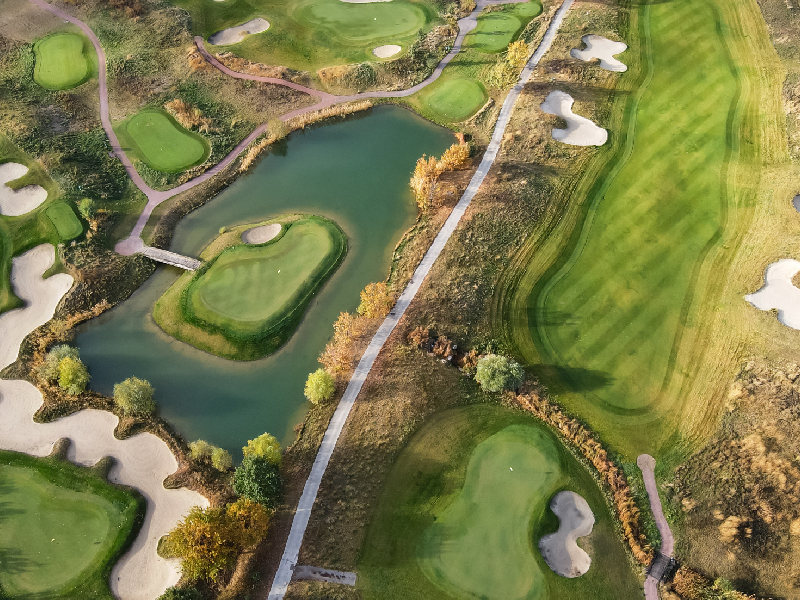
Creating a masterpiece in golf course design requires a sophisticated balance of environmental science, player psychology, and engineering precision. This blog outlines the critical considerations every developer must address, from initial site analysis to the final irrigation planning. The involvement of a specialized golf course design company is essential to navigate complex challenges such as topographical integration and soil management. A leading golf course architect ensures that the routing is not only strategically sound but also optimizes land use to minimize construction impact. Furthermore, a comprehensive golf course development plan must prioritize water conservation strategy and biodiversity preservation to ensure long-term viability. By focusing on these core pillars, developers can transform a plot of land into a high-value, sustainable asset that offers an unparalleled experience for golfers while respecting the local ecology.
The journey of golf course design begins long before the first mound of earth is moved. A thorough site feasibility study is the most critical first step, assessing land ownership, regulatory restrictions, and environmental constraints . This analysis identifies the “DNA” of the land, determining if the soil, climate, and water access can support a high-quality facility. Skipping this stage often leads to massive budget overruns. A professional golf course design company uses this data to establish a realistic baseline for the project’s scope and financial potential .
Modern golf course design follows the principle of “minimalist intervention.” A skilled golf course architect looks for a natural routing that flows with the existing contours of the land . Proper topographical integration reduces the need for heavy earthmoving, which preserves the natural character of the site and significantly lowers construction costs. The routing must ensure a balanced mix of holes, varying in direction and challenge, to keep the player engaged while ensuring the safety of nearby residential zones or amenities .
Beneath the beautiful green turf lies the most important engineering feature: the drainage system. Successful golf course design requires an in-depth understanding of soil composition. If the existing soil is poor, a specialized soil management plan is needed to amend it for healthy turf growth . Sub-surface drainage is the silent hero of a golf course; it ensures the course remains playable immediately after heavy rains, protecting the greens from waterlogging and disease. This technical precision is what defines the quality standards of top golf course design firms .
Water is the most precious resource in golf management. A critical consideration in any golf course development plan is the irrigation strategy. Designers must prioritize “water-wise” principles, utilizing treated wastewater and weather-based irrigation controllers . By choosing native, drought-resistant turf varieties, an architect can reduce water consumption by up to 30%. This focus on sustainable irrigation not only protects the environment but also safeguards the club against rising utility costs and future water shortages .
A great golf course design must be “elastic”—it should be a rigorous test for the pro but an enjoyable walk for the amateur. This is achieved through strategic hazard placement and multiple tee options. The architect uses visual cues to challenge the player’s psychology, offering “risk-reward” scenarios that tempt the bold while providing safe “bail-out” areas for the cautious . Managing this balance ensures high member retention and makes the course a preferred venue for both casual play and professional tournaments .
Today’s developers must be environmental stewards. Modern golf course design seeks to enhance local ecosystems rather than disrupt them. This involves biodiversity preservation, such as creating “no-mow” zones that act as wildlife corridors and using organic fertilizers to protect local groundwater . A course that is in harmony with its environment becomes a “green lung” for the community, improving the club’s public image and meeting the stringent requirements of environmental regulatory bodies .
The success of these complex moving parts depends on a unified golf course development plan. This document acts as the master blueprint, aligning the creative vision with the financial and technical realities of the build . It ensures that the golf course architect, the construction firm, and the irrigation specialists are all working toward the same quality benchmarks. A well-executed plan minimizes project delays and ensures that the final product is a world-class facility that delivers a strong return on investment .
Golf Design India is a premier golf course design company dedicated to delivering innovative and sustainable solutions. Our expertise spans every critical stage, from site analysis to final construction oversight . Led by our chief architect, we specialize in creating courses that are “Design Dictated by Nature,” ensuring minimal environmental impact and maximum strategic playability. We take pride in transforming challenging terrains into landmark golfing destinations that stand the test of time and climate .
Ready to transform your vision into a landmark golf destination? Whether you are planning a new championship course or renovating an existing layout, the right expertise makes all the difference. Explore our comprehensive design philosophy and see how we blend artistry with engineering to create high-value assets.
Visit our official page to learn more: Golf Design India – Golf Course Design Services
The most important factor is the site feasibility and analysis. Before any design work begins, the architect must understand the land’s topography, soil quality, and water availability. This data ensures that the proposed golf course design is realistic, sustainable, and stays within the developer’s budget. Without this foundation, the project risks hitting expensive environmental or structural obstacles during construction.
A golf course architect ensures sustainability by using “naturalistic” design principles. This includes selecting native turfgrass that requires less water, designing efficient drainage systems to recycle storm runoff, and preserving existing flora and fauna. By integrating a water conservation strategy into the core design, the architect reduces the long-term operational costs and the environmental footprint of the club.
A specialized golf course design company manages costs by creating an efficient routing plan that minimizes the amount of earthmoving (bulk earthworks) required. By following the natural “lay of the land,” they reduce the need for heavy machinery and expensive soil importation. Furthermore, their detailed technical drawings prevent errors and rework during the construction phase, ensuring the project is delivered on time and within budget.
Drainage is critical because it directly impacts the course’s “playability” and revenue. A course with poor drainage will remain closed for days after a rain event, leading to lost green fees and member frustration. A professional golf course development plan includes a sophisticated sub-surface drainage network that removes excess water quickly, protects the health of the grass, and ensures the facility can remain open in diverse weather conditions.
Architects balance difficulty through “strategic design.” This involves providing multiple tee boxes so that the total distance can be shortened for beginners and seniors. Additionally, hazards are placed to create “angles of attack”—a pro may try to carry a bunker for a better angle to the green (high risk), while a high-handicapper can play around it safely (low risk). This makes the course challenging for low-scorers but fair and fun for casual players.