
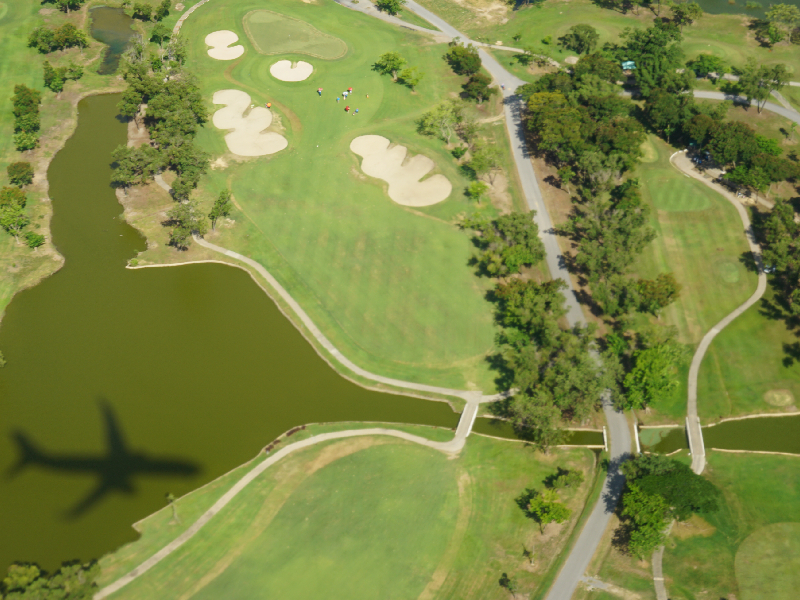
In the intricate craft of golf course architecture, the putting surface is regarded as the most sacred ground on any hole, yet its success is entirely dependent on the underlying topographical logic. At the core of the golf design architect philosophy is the belief that a green’s contours should be a natural extension of the surrounding landforms. When a golf course design architect like Vijit follows the site’s original geometry, the result is a green that drains perfectly and offers authentic tactical puzzles. A premier golf architecture & construction firm specializes in the precision shaping of these surfaces to ensure international standards of speed and firmness. As a leading golf course audit firm, we identify when artificial green shapes lead to maintenance nightmares and strategic disconnects. Our golf design india team ensures that every green complex is a masterpiece of both engineering and art, prioritizing “Design Dictated by Nature” to deliver iconic, sustainable results. This blog explores how GDI utilizes the land’s natural ridges and valleys to create greens that are as strategically demanding as they are visually stunning.
The putting green is the climax of every golf hole, where the game is ultimately won or lost . Within the field of golf course architecture, GDI believes that the most compelling greens are those that mirror the broader movements of the site’s natural terrain. Rather than imposing a generic, artificial shape, our golf design architect, Vijit, seeks to “find” the green within the existing landforms . By allowing the natural ridges and depressions to dictate the putting surface’s undulations, we create a strategic environment that feels authentic and timeless . This approach ensures that the strategic challenge is not manufactured but is a legitimate reflection of the land itself. When a green follows the site’s original geometry, it resonates with the player’s intuition, offering a pure and uninterrupted connection to nature.
A green that is out of sync with its surroundings often feels jarring and fails to function effectively over the long term . GDI’s golf course architecture philosophy emphasizes that a green should look like it has been there for centuries, emerging seamlessly from the fairway . The golf design india team meticulousy maps the site’s natural “flow” to ensure that every tilt and slope on the putting surface is logical . This topographical harmony creates a visual narrative that guides the player’s eye and influences their strategic decisions. By utilizing natural features like rocks or rolling hills as anchors for the green complex, we enhance the “sense of place” for every golfer . This commitment to nature-led design is why GDI is recognized as India’s most trusted architectural firm.
A professional golf course design architect must balance the artistic beauty of a green with the rigorous technical requirements of championship play . At GDI, Vijit ensures that green undulations provide a fair yet stern test of putting skill, rewarding the golfer who can read the subtle cues of the land. Our golf design architect philosophy involves creating various “pinning areas” that change the hole’s difficulty based on the day’s setup. This versatility allows the course to accommodate everyone from the “Sunday amateur” to the touring professional. By integrating multiple tiers and subtle collection areas, we force the player to think strategically about their approach shot. Every curve of the green is designed with precision to ensure that it challenges the mind as much as the hand.
When our team operates as a golf course audit firm, we often discover that maintenance issues are rooted in poor surface geometry . Greens with “dead spots” or chronic waterlogging are frequently the result of artificial shapes that do not allow for efficient drainage . A GDI audit provides a well-structured review that identifies where surface contours are working against the facility’s operational goals . We use advanced mapping technology to analyze how water moves across the putting surface, suggesting minor topographical adjustments to improve turf health. By identifying these “friction points,” we help management reduce the need for costly chemical interventions and manual labor. A successful audit ensures that the greens remain fast, firm, and healthy through intelligent architectural refinement.
The translation of an architect’s vision into a high-performance putting surface requires unparalleled skill during the construction phase . As a leading golf architecture & construction firm, GDI employs expert shapers who work hands-on to sculpt every contour to exact specifications . We maintain strict quality control to ensure that the sub-surface rootzone and drainage layers are perfectly synchronized with the surface geometry. This meticulous approach prevents the “settling” or “shifting” of contours over time, preserving the architect’s strategic intent for decades. We take pride in striking the finest balance between budgets and the high-tech requirements of modern greens . Our construction team ensures that every green is a masterpiece of precision engineering, capable of holding the world’s highest standards of play.
Efficient drainage is the most critical technical requirement for any putting green, particularly in high-rainfall regions . GDI’s golf course design architect philosophy uses natural surface slopes to whisk water away from the green instantly, preventing localized pooling. By following the land’s natural hydrological highways, we reduce the stress on the underground drainage pipes and the energy required for maintenance . This “gravity-fed” approach is essential for maintaining consistent green speeds even after a heavy monsoon shower. Utilizing natural contours ensures that the green complex acts as a self-sustaining part of the course’s wider water management system. For the owner, this means lower maintenance costs and a course that remains playable year-round. Engineering with nature is the only way to ensure long-term sustainability in modern golf.
Golf Design India (GDI) is a multi-award-winning golf course architecture firm based in New Delhi, recognized for its iconic status in the industry . Under the visionary leadership of Vijit, the first certified golf architect in India with an M.Sc. from Scotland, we have set a new standard for excellence . Our brand USP is the “Design Dictated by Nature” philosophy, ensuring that every project is environmentally sustainable and commercially viable. We take pride in our active involvement in all stages of project development, from ideation to creation. Our portfolio includes the complete redevelopment of the historic Lodhi Course at the Delhi Golf Club, a project that demonstrates our commitment to precision and performance . GDI continues to lead the way in crafting sustainable, world-class golfing landscapes.
GDI offers a full spectrum of services, ranging from master planning and site supervision to maintenance and operations management . Our golf design india team includes engineers, horticulturists, and project managers who bring unparalleled skills to every project . We specialize in various formats, including championship 18-hole courses, executive 9-hole layouts, and professional practice academies . Our specialized work as a golf course audit firm helps clubs modernize their infrastructure and improve resource efficiency . We are dedicated to building sustainable environments that set a global example for the industry. By partnering with GDI, clients receive a world-class facility that respects the land and enhances the spirit of the game.
The designer ensures drainage by sculpting the putting surface with subtle, gravity-fed slopes that direct water away from the center of the green and toward collection points. By identifying the land’s existing hydrological highways, the architect ensures that runoff moves efficiently without the need for mechanical pumps. This approach involves a sophisticated understanding of topography to ensure that these slopes are invisible to the player but technically effective. Preventing localized waterlogging is essential for maintaining the health of the turf and the speed of the putting surface. Ultimately, a green designed with natural drainage principles is more resilient and requires significantly less maintenance over time.
Artificial contours that fight the natural layout of the land often create “pocket” areas where water and air cannot move freely. This leads to chronic moisture issues and anaerobic soil conditions, which require expensive chemical treatments and manual labor to correct. Over time, these artificial shapes can also settle or shift, leading to inconsistent green speeds and strategic disconnects. A course with poorly designed greens will inevitably face higher utility bills and more frequent emergency repairs. By following the site’s original geometry, a designer creates a surface that is much easier and cheaper to manage long-term. Sustainable design is the most effective way to protect a facility’s bottom line.
An audit firm provides a professional review that uses data-driven technology to find the root causes of turf stress and strategic failure on the greens. By benchmarking surface firmness, moisture levels, and infiltration rates, auditors can pinpoint exactly where the architecture is failing the maintenance team. This assessment helps management prioritize capital improvements, such as re-contouring greens for better drainage or upgrading the sub-surface drainage network. The audit also evaluates if the current green speeds and pin positions meet modern championship standards. Having an expert evaluation ensures that the club’s most important asset is preserved and optimized for the highest quality of play.
A professional firm achieves precision by having experienced shapers work in constant coordination with the lead architect on the ground. This hands-on process ensures that the subtle undulations and strategic “risks” planned in the master plan are perfectly translated onto the physical site. During construction, the firm uses high-tech sensors and topographical maps to verify that every slope meets the required percentage for both playability and drainage. This commitment to precision prevents errors during the building phase that could lead to significant operational issues later. By overseeing every stage of project development, the firm ensures that the finished green is a perfect blend of engineering and art.
Prioritizing geometry ensures that the green functions as a sustainable piece of infrastructure that is in harmony with the site’s natural hydrological and geological systems. While aesthetics are important for the “wow” factor, a beautiful green that waterlogs or lacks strategic logic will quickly become a liability for the club. When the contours are dictated by the land’s original geometry, the strategic challenge of the hole feels authentic and fair to the golfer. This approach also preserves the unique character of the site, making the course stand out as a distinctive and memorable destination. Ultimately, nature-led geometry provides the most resilient and intellectually engaging foundation for the sport of golf.