
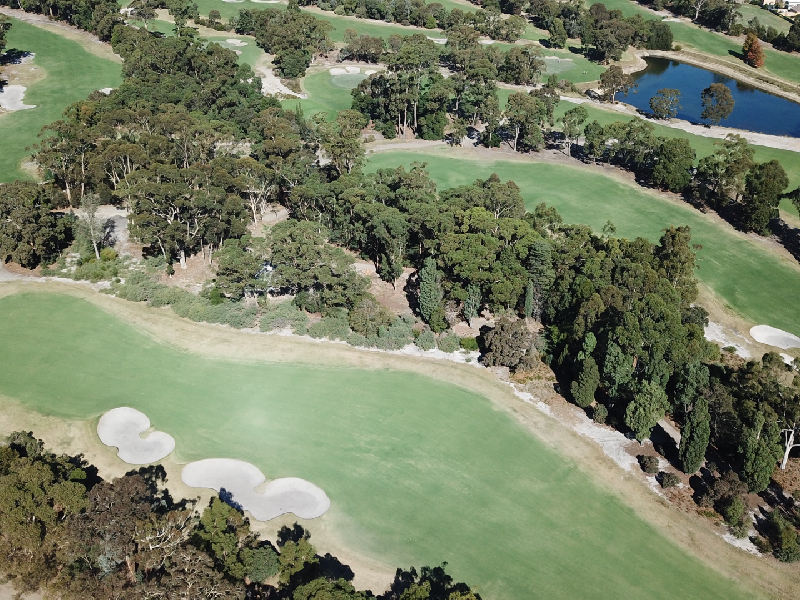
The philosophy of Golf Course Design has shifted towards a more organic, site-specific approach known as land-based design. This methodology ensures that the architect works with the existing terrain rather than imposing a foreign structure upon it, which is the secret to ensuring excellent Future Maintainability . By respecting the natural contours, the initial Masterplanning phase becomes a journey of discovery that identifies the most efficient use of resources. This approach significantly impacts the Construction phase by reducing the need for massive earthmoving, which in turn protects the native soil structure. Furthermore, a course that feels “found” rather than “built” often boasts superior Playability because its challenges are derived from the authentic character of the landscape. Integrating Sustainable Golf principles into this land-based model ensures that irrigation needs are minimized and ecological habitats are preserved. This synopsis explores how the synergy between nature and architecture creates a resilient facility that is easier to manage, cheaper to operate, and more enjoyable to play over several decades. By prioritizing the land’s inherent strengths, developers can secure a legacy of quality that withstands the test of time while offering a world-class experience for every visitor.
Traditional methods of development often involved force-fitting a specific layout onto a plot of land, regardless of its natural suitability. In contrast, land-based Golf Course Design treats the site as the primary architect, allowing the terrain to dictate the flow and character of each hole. This philosophy requires the design team to spend significant time walking the property to identify “natural” green sites and fairway corridors. By doing so, the resulting layout feels integrated rather than artificial. This approach is not only aesthetically superior but also forms the bedrock of long-term operational success, as it avoids the common pitfalls of over-engineering the landscape. When a course follows the natural lay of the land, it avoids many of the drainage and stability issues that plague more artificial projects.
The most significant advantage of land-based design is the positive impact it has on Future Maintainability . When the design respects natural drainage patterns and soil types, the ongoing costs of turf care and infrastructure repair are drastically reduced. For example, placing a green in a natural basin that is prone to flooding would require expensive artificial drainage; however, a land-based approach would find a nearby plateau that naturally sheds water. This inherent efficiency means that the maintenance crew spends less time fighting the environment and more time refining the playing surfaces. Strategic placement of features ensures that the most intensively managed areas are those that can be maintained with minimal intervention. This foresight during the early stages of development is what separates a high-performing asset from a maintenance-heavy liability.
The Masterplanning stage of a land-based project is a sophisticated exercise in environmental coordination. Instead of relying on generic templates, the team creates a bespoke routing that highlights the property’s unique vistas and topographical quirks. This process involves a deep dive into the site’s hydrology, vegetation, and climate to ensure the layout is viable. A well-executed master plan ensures that the transition between holes is seamless and that the infrastructure—such as cart paths and maintenance access—is tucked away discreetly. By identifying the most suitable areas for development early on, the master plan minimizes the risk of encountering costly environmental surprises during the later stages of the project.
Golfer satisfaction is often tied to the “feel” of a course, and nothing provides a more authentic experience than high Playability derived from natural contours. Land-based designs offer a variety of lies and strategic options that are difficult to replicate through artificial mounding. The subtle undulations found in nature create a more complex strategic puzzle for the golfer, requiring creative shot-making and careful club selection. Because the hazards are integrated into the existing landscape, they feel fair and grounded in reality. This variety keeps the course interesting for the local member and the visiting professional alike, ensuring that the facility remains a sought-after destination for years to come.
During the Construction phase, a land-based approach translates into significant time and cost savings. Because the design works with the existing earth, the volume of mass grading is greatly reduced, which preserves the topsoil and prevents erosion. Specialized shapers are used to refine the natural features rather than creating them from scratch, which requires less heavy machinery and fuel. This lighter touch on the land is a key component of modern environmental stewardship. It also allows for a more rapid “grow-in” period, as the natural soil biology is largely preserved, leading to healthier turf establishment. This efficiency ensures that the project remains on schedule and within budget while achieving a high level of finish.
The ultimate goal of modern architecture is the creation of a Sustainable Golf environment that balances social, economic, and ecological needs. A land-based design naturally promotes sustainability by reducing the need for intensive irrigation and chemical inputs. By utilizing native grasses in non-playing areas and preserving natural wetlands, the course becomes a sanctuary for local biodiversity. This approach doesn’t just benefit the planet; it also enhances the brand of the facility, as modern golfers increasingly prefer courses that respect the environment. Sustainability is thus not an add-on feature, but a fundamental outcome of a design process that respects the land’s carrying capacity and natural beauty.
At GDI Group, we have built our reputation on the belief that the best Golf Course Design is one that honors the earth. Our team of experts specializes in identifying the hidden potential of any site, using land-based principles to create world-class layouts that are both beautiful and strategically deep. We understand that the key to a successful project lies in the harmony between the architect’s vision and the land’s reality. By prioritizing Masterplanning and sustainable practices, we ensure that every course we create is an enduring asset for the developer and the community. Our commitment to quality is reflected in the seamless way our courses sit within their surroundings, providing an unmatched experience for every player.
The GDI Group offers a comprehensive suite of services that covers every aspect of development, from initial site analysis to final grow-in. We are dedicated to delivering projects that maximize Future Maintainability and operational efficiency without compromising on aesthetic quality or Playability. Our global experience allows us to bring innovative solutions to local challenges, ensuring that our clients receive a product that is both world-class and uniquely suited to its environment. Whether it is a new Construction project or the renovation of a historic facility, GDI Group provides the expertise needed to navigate the complexities of modern golf development. We partner with our clients to turn their vision into a sustainable reality that will define the standard for years to come.
Land-based design focuses on utilizing the site’s natural characteristics to minimize the need for artificial intervention. By following the existing topography, the design avoids creating areas that are difficult to mow or prone to drainage issues, which are the primary drivers of maintenance costs. This approach also allows for the preservation of native vegetation, reducing the volume of turf that requires intensive water and fertilizer applications. Ultimately, a course that works with nature requires fewer man-hours and resources to keep in peak condition. This ensures that the facility remains financially viable for the owner while maintaining a high standard of quality for the players.
Soil analysis is a critical component of the early planning phase because it determines the site’s ability to support specific turfgrass varieties and drainage infrastructure. By understanding the physical and chemical properties of the native soil, architects can design a layout that minimizes the need for imported materials. This data helps in identifying areas that may require specialized amendment or where natural percolation is sufficient for the greens. In a land-based model, this information ensures that the Golf Course Design is grounded in the physical reality of the site. It also helps in planning the Construction sequence to prevent soil compaction and preserve the microbial health of the land.
Yes, land-based design often provides a more rigorous and authentic challenge because it utilizes the unpredictable and unique features of the natural terrain. Nature provides a variety of slopes, wind patterns, and surface tensions that are difficult to manufacture artificially. By integrating these elements into the strategic layout, architects can create holes that demand creative shot-making and precise distance control. The Playability for a professional is enhanced by the need to “read” the ground game, a skill that is often lost on more artificial, target-oriented courses. This ensures that the course remains a fair but stern test for the highest level of players.
Reducing earthmoving is a primary pillar of environmental responsibility because it significantly lowers the carbon footprint of the project. Heavy machinery consumes large amounts of fuel and can lead to severe soil compaction, which hinders future plant growth and water infiltration. By minimizing the volume of earth shifted, the project preserves the natural topsoil and the existing seed bank of native flora. This supports biodiversity and helps the course blend more quickly into its surrounding ecosystem. Furthermore, preserving natural contours helps maintain the site’s original hydrologic function, which is essential for long-term water conservation and pollution prevention.
Absolutely, aesthetic beauty and maintainability are increasingly viewed as two sides of the same coin in modern architecture. A hole that is beautifully shaped with gentle, flowing slopes is much easier for a mower to traverse than one with sharp, artificial edges that require hand-trimming. Architects now use computer modeling during the design phase to simulate maintenance equipment paths, ensuring that every square inch can be managed efficiently. This means that the visual appeal of the course is sustained over time without requiring an inflated maintenance budget. A well-designed hole should look like it has been there forever while being engineered for modern operational standards.