
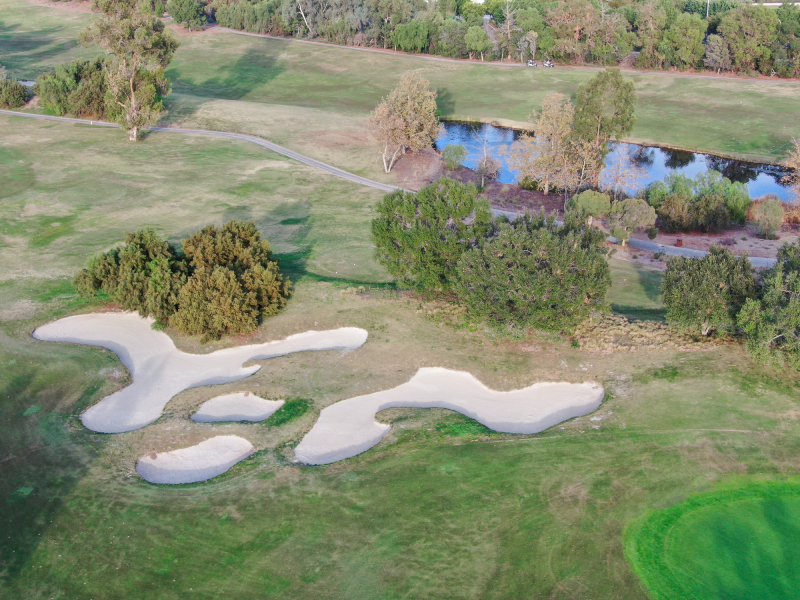
Transitioning from a 2D design to a physical landscape is the most complex phase of any project. Golf course construction is a massive engineering feat that requires precision, specialized equipment, and a high level of problem-solving. This blog explores the major challenges developers face, including unpredictable weather, terrain difficulties, and the tightening grip of environmental regulations. We examine how a professional golf construction firm manages these hurdles while ensuring minimal ecological impact. By understanding the intricacies of bulk earthworks, drainage installation, and the “grow-in” period, stakeholders can better prepare for the logistical realities of building a world-class facility that is both durable and environmentally responsible.
Golf course construction is far more than simple landscaping; it is a heavy civil engineering project involving the movement of hundreds of thousands of cubic meters of earth . The process requires a synchronized dance between specialized shaping crews, irrigation engineers, and agronomists. Any delay in one sector—such as a late shipment of specialized bunker sand or irrigation pipes—can ripple through the entire schedule. This complexity is why a detailed golf course development plan and expert project management are non-negotiable for project success .
The most common of the major challenges in construction is unpredictable weather. Heavy monsoon rains or unexpected frost can halt earthworks for weeks and wash away newly shaped features or fresh seed . A professional golf construction firm mitigates this by planning the construction phases around seasonal windows. For instance, bulk earthmoving is best completed before the rainy season, while “grow-in” is timed to take advantage of optimal growing temperatures. Erosion control measures, such as silt fences and temporary drainage, are vital to protecting the site during these weather shifts .
Every site presents unique terrain difficulties, from hard rocky outcrops to soft, swampy wetlands. Building on rocky terrain requires expensive blasting or specialized hydraulic hammers, while soft soils require stabilization to prevent the sinking of heavy machinery . Soil quality also varies; if the native soil has poor percolation, the construction team must install a more intensive sub-surface drainage network. A skilled golf course architect works closely with the construction team to adjust the design in real-time, ensuring the layout works with the terrain rather than fighting against it .
Modern golf course construction must comply with a dense web of environmental regulations. This includes securing permits for water usage, managing storm runoff, and ensuring that construction does not disturb protected habitats or archeological sites . Failure to comply can lead to heavy fines or total project shutdowns. Leading golf course development companies act as liaisons, ensuring that all construction activities—from fuel storage for machinery to the disposal of cleared vegetation—adhere strictly to local and national environmental mandates .
The ultimate goal of a sustainable project is ensuring minimal ecological impact during the build phase. This involves “clearing and grubbing” only the essential playing areas and leaving the surrounding “buffer zones” untouched . Topsoil, the most valuable biological resource on-site, should be stripped and stockpiled at the start and then redistributed during final shaping to promote healthy turf growth. By minimizing the “footprint” of heavy machinery and preserving existing trees, the construction process protects the very natural beauty that makes the course attractive .
Technical supervision is the bridge between the design and the finished product. An architect or a specialized golf course project manager must be on-site to oversee “feature shaping”—the delicate sculpting of greens, tees, and bunkers . This is where the artistry happens. Supervision ensures that the slopes are fair for play but steep enough for drainage, and that the bunkers are visible from the tee box as intended. This level of oversight prevents expensive rework and ensures the course is built to international standards .
At Golf Design India, we bring decades of experience to the golf course construction phase. We specialize in managing the major challenges of the Indian climate and terrain, ensuring that projects stay on track and within budget . Our team provides rigorous on-site supervision to ensure that every green contour and drainage pipe meets our exacting standards. We are committed to a “Zero-Error” construction philosophy, transforming complex blueprints into playable, sustainable masterpieces while respecting the environmental integrity of the site .
Building a golf course is a significant investment that requires a partner who understands the ground reality. Don’t let weather or terrain hurdles derail your vision. Partner with GDI to ensure your construction phase is handled with the precision and environmental care it deserves.
Explore our construction and project management services: Golf Design India – Golf Course Construction Management
The most difficult part is often the sub-surface infrastructure, specifically the drainage and irrigation systems. While the shaping of the greens and fairways is what people see, the functionality of the course depends on the invisible network of pipes and pumps. Getting these levels perfectly right while dealing with terrain difficulties like rock or clay is a major engineering challenge.
Handling weather requires a “seasonal strategy.” A professional golf construction firm will schedule heavy earthmoving for the dry months and focus on indoor work or smaller detailing during the wet season. They also install temporary drainage and “hydro-seeding” on slopes early in the process to prevent the soil from washing away during sudden storms.
Regulations vary by region but usually focus on water rights, waste management, and soil erosion. For example, you must have a plan for where the runoff water goes during a storm so it doesn’t pollute local rivers. You also need permits to ensure you aren’t removing protected trees or building on wetlands that are vital for local biodiversity.
Ensuring minimal ecological impact is important for both the environment and the budget. By preserving the natural soil and existing vegetation, you reduce the cost of buying new topsoil or expensive landscaping later. It also helps the course blend into the landscape more naturally, making it look established and beautiful from the day it opens.
A standard 18-hole course usually takes 12 to 24 months to build, depending on the complexity of the terrain. This includes about 8 to 12 months for the physical construction (earthworks, drainage, irrigation) and another 6 to 12 months for the “grow-in” period, where the grass is nurtured until it is strong enough to handle regular play.