
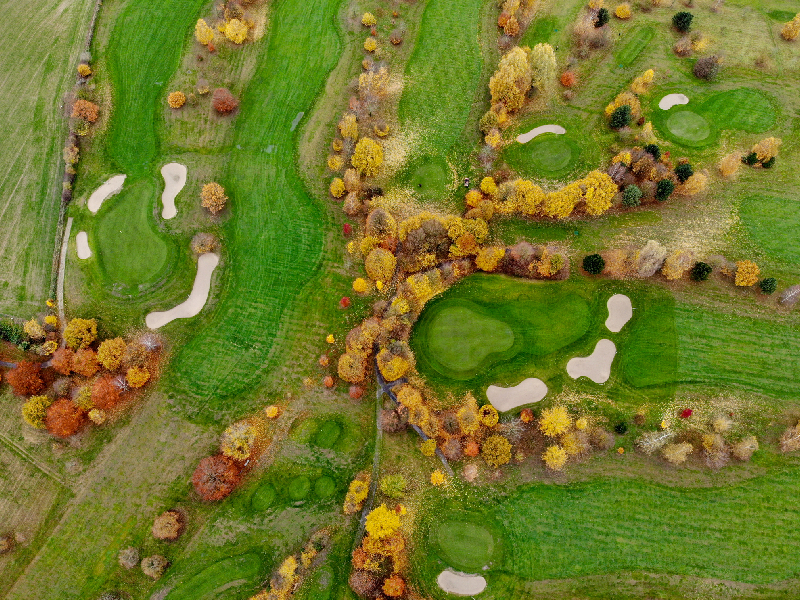
In the modern era of development, environmental sustainability has moved from a secondary concern to the primary driver of successful golf course architecture. This blog examines how integrating eco-friendly practices—such as minimizing water usage, habitat restoration, and ecological balance—is essential for the long-term viability of any project. A specialized golf course architect now functions as an environmental steward, ensuring that the golf course development plan respects local flora and fauna. By utilizing a golf course design company that prioritizes sustainable turf management and natural drainage solutions, developers can create courses that are not only world-class but also “green lungs” for their communities. This approach guarantees the course’s longevity, reduces operational costs, and ensures an eco-friendly legacy that thrives in harmony with nature.
The survival of the golf industry depends on its ability to coexist with a changing environment. Environmental sustainability is no longer just a “nice-to-have” feature; it is a core strategic necessity . Modern courses must navigate stricter environmental regulations and rising resource costs. A course designed with sustainability at its heart is more resilient to climate change and easier to manage. By choosing a golf course design company that understands these pressures, developers protect their investment from future resource scarcity and regulatory hurdles .
One of the most impactful ways to ensure environmental sustainability is through the preservation of natural habitats. Rather than clearing land entirely, a visionary golf course architect incorporates existing wetlands, forests, and rock formations into the strategic layout . These “out-of-play” areas serve as vital wildlife corridors, promoting local biodiversity. By maintaining native vegetation, the course provides a home for local species and creates a unique, authentic landscape that cannot be replicated with man-made features alone .
Water scarcity is a global challenge, and minimizing water usage is the top priority for modern golf management. This begins with “water-wise” golf course design, which limits irrigated turf to essential playing areas only . Innovative technologies, such as moisture-sensing probes and centralized irrigation control systems, allow for precision watering. Furthermore, utilizing treated wastewater (STP water) and harvesting rainwater in on-site lakes ensures that the course does not deplete local freshwater supplies, securing its functional longevity .
A truly sustainable course acts as a balanced ecosystem. This involves using natural drainage solutions, such as bio-swales and rain gardens, which filter runoff before it enters the groundwater . Maintaining ecological balance also means reducing the reliance on synthetic chemicals. By selecting pest-resistant turf varieties and practicing Integrated Pest Management (IPM), the course minimizes its chemical footprint. This keeps the soil healthy and ensures that the water bodies on the course remain clean and vibrant .
The modern golf course architect must be part artist and part environmental scientist. Their role is to find the “path of least resistance” through the landscape, ensuring that the golf course design follows the natural topography . This “minimalist” approach reduces the carbon footprint of the construction phase by decreasing the need for heavy machinery and massive soil movement. A sustainable architect ensures that the beauty of the course is a direct result of its environmental health .
An eco-friendly golf course development plan offers significant long-term financial benefits. While the initial planning may be more detailed, the reduction in daily maintenance costs is substantial. Lower water bills, reduced fertilizer needs, and less mowed acreage result in a leaner, more profitable operation . Additionally, being an “eco-friendly” club enhances the brand’s reputation, attracting a new generation of environmentally conscious members who value nature as much as the sport itself .
At Golf Design India, our motto “Design Dictated by Nature” is the foundation of our work in environmental sustainability. We specialize in creating courses that preserve the integrity of the land while providing a world-class playing experience . From habitat restoration to advanced water conservation, our team ensures that every project is a model of ecological responsibility. We believe that a great golf course should not just sit on the land—it should belong to it .
Are you ready to develop a golf course that is as profitable as it is planet-friendly? Sustainability is the ultimate competitive advantage in today’s market. Let our experts guide you in creating a resilient, eco-friendly destination that members will cherish for generations.
Learn more about our sustainable design approach: Golf Design India – Environmental Sustainability
Environmental sustainability is vital because it ensures the course can survive with limited resources and meet strict government regulations. A sustainable course uses less water, fewer chemicals, and requires less fuel for mowing. This makes the club more profitable in the long run and helps protect the local environment, making the project more acceptable to the community and local authorities.
A smart golf course design minimizes water by reducing the total area of irrigated turf. Architects often create “native areas” or “buffer zones” that do not require watering. Additionally, by using drought-tolerant grass types and building sophisticated lakes for rainwater harvesting, the course can significantly reduce its dependence on external water sources.
Ecological balance means the golf course functions as a healthy part of the local environment. This involves maintaining clean water bodies through natural filtration, providing a home for local birds and insects in native vegetation, and using organic maintenance practices that keep the soil alive. When a course is in balance, it requires much less human intervention to stay beautiful.
Preserving natural habitats adds a sense of beauty and “place” to the course. Golfers enjoy the scenic views of local trees, wildflowers, and wildlife while they play. These areas also create strategic interest; a preserved wetland or forest can act as a natural hazard that requires a thoughtful shot, making the game more exciting and memorable.
The first step is a comprehensive environmental impact assessment. This study identifies the sensitive areas of the land, such as rare plants or natural water sources, that must be protected. The golf course architect then uses this information to route the course in a way that avoids these areas, ensuring that the development works with nature rather than against it.