
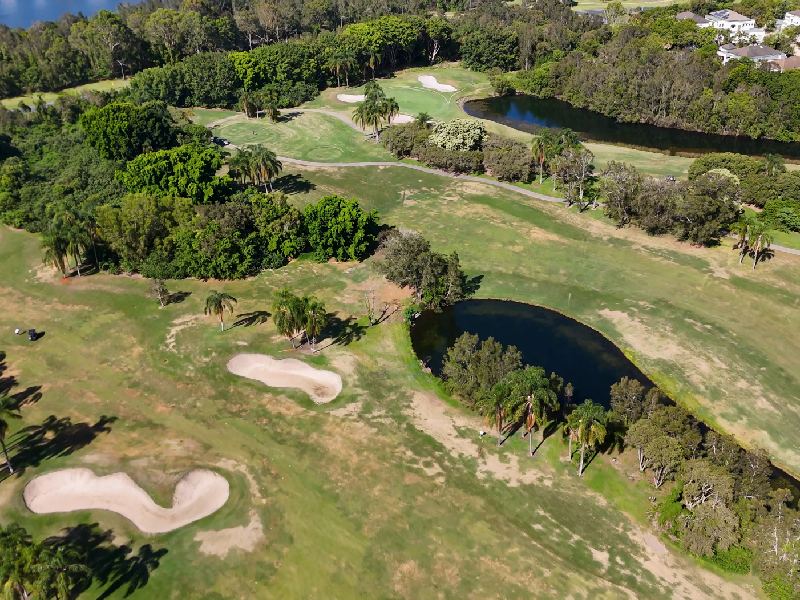
The standard playbook for traditional sports developments has often relied on massive heavy machinery to flatten the earth, erasing the natural character of the landscape to build generic, predictable spaces. However, true modern luxury avoids this artificial approach, choosing instead a philosophy where the design dictated by nature guides every phase of development. This blog explores the architectural protocols and routing strategies required to work in complete harmony with a site’s natural terrain, such as a dramatic 20-meter elevation shift. By preserving rugged ridges, natural low points, and rocky outcrops, architects can create a layout that feels like an organic extension of its environment. Discover how this nature-first perspective builds deep strategic depth into a championship course, providing a thrilling shotmaking challenge with authentic, varied lies. By balancing high-end aesthetics with technical infrastructure intelligence, developers can deliver an exceptional tailored journey within a sustainable inclusive ecosystem that celebrates the true soul of the land.
For decades, large-scale golf development relied heavily on massive earth-moving projects to clear out natural variations and create perfectly flat, predictable playing fields. While this old approach made construction simpler, it resulted in uninspiring, repetitive layouts that lacked character and felt entirely disconnected from their local environment. Modern, high-end master planning has moved completely past this industrial mindset. Discerning investors and developers now understand that the true value of a premium property lies in its authenticity. By moving away from a manufactured look, we can design world-class venues that honor the original topography of the site.
The core of a timeless layout is a commitment to a design dictated by nature. This philosophy treats the existing terrain not as a series of obstacles to be cleared out, but as a built-in guide for the entire project. When architects allow the natural contours of the land to direct where fairways and greens are placed, the property develops a completely unique personality. This nature-first approach cuts down on heavy excavation costs and respects the native landscape, ensuring that the sports venue feels like it has been part of the valley for generations rather than being forced upon it.
Working with a significant 20-meter elevation shift across a property demands a highly advanced, thoughtful routing plan. Instead of running fairways directly up and down steep slopes—which causes severe player fatigue and bad soil erosion—architects route holes diagonally across the ridges or follow the natural lines of the valleys. This careful planning creates a fluid, organic rhythm where players transition smoothly between high viewing points and secluded low areas. Using the site’s natural drops and climbs ensures that the routing reveals spectacular views, turning a challenging hillside into a beautiful asset.
From a competitive standpoint, a multi-level terrain provides an excellent canvas for adding genuine strategic depth to a championship course. When a layout follows the natural movement of the hills, it naturally creates varied lies, forcing players to hit shots from uphill, downhill, and sidehill positions. This variety stops the game from becoming a repetitive test of strength, requiring golfers to put on their thinking cap strategy on every shot. A rugged ridge can be used to set up an exciting risk-reward option off the tee, rewarding an accurate drive over the high ground with a much better angle into an undulating green.
While a dramatic elevation shift brings fantastic visual excitement, it must be designed with thoughtful playability to ensure it remains fair and fun for the everyday member. To keep steep hillsides from becoming too frustrating, architects shape wide, forgiving landing areas on the downhill side of sloping fairways, using the natural contours to catch and hold off-target shots. Furthermore, multiple tee complexes are carefully calibrated so that seniors, juniors, and families can play from angles that eliminate long, exhausting climbs, keeping the experience encouraging and enjoyable while preserving the technical challenge for professionals from the back tips.
A multi-level layout designed with deep infrastructure intelligence forms a highly sustainable anchor for a community’s inclusive ecosystem. Natural low points and deep valleys are turned into beautiful stormwater catchment lakes that harvest millions of liters of rain runoff from the surrounding hills. This self-contained water network filters the runoff through native wetland plants, saving it for eco-friendly irrigation during dry seasons. This closed-loop system protects nearby luxury real estate from flooding, eliminates the need for expensive municipal water infrastructure, and proves that high-end sports luxury can protect regional ecosystems.
GDI Group is a premier architecture and master planning firm that specializes in transforming rugged, complex landscapes into world-class sports destinations. Our Unique Selling Proposition is our ability to blend elite athletic strategy with a strict design dictated by nature philosophy. We don’t build generic, flat landscapes; instead, we build iconic environments where strategic depth, thoughtful playability, and technical engineering work in complete harmony with the earth. Our experienced team is dedicated to creating custom, value-driven master plans that maximize asset equity for developers while providing a spectacular lifestyle asset for communities.
GDI Group provides a full spectrum of professional services, guiding complex developments smoothly from early 3D terrain modeling and hydrological analysis to comprehensive turnkey construction. Our expert field teams manage delicate grading and shaping phases with total precision, ensuring that natural rock features and historic ridges are preserved perfectly. Additionally, our specialized golf course audit services help existing clubs update out-of-date routings, fix drainage issues along hillsides, and restore lost strategic character to older layouts. By applying a thorough thinking cap strategy to every phase, we maximize the long-term beauty, operational efficiency, and commercial value of your property.
A design dictated by nature means using the land’s original features—like ridges, valleys, and rocky outcrops—to guide the placement of fairways and greens. Instead of bulldozing the terrain flat, the architecture is sculpted to follow the organic movement of the earth, creating a completely unique venue that respects the local environment.
Instead of routing holes directly up and down steep hillsides, architects route them diagonally across the slopes or follow the natural contours of the valleys. This careful planning creates a smooth, fluid walk, using natural elevation changes to reveal beautiful views while cutting down on physical fatigue.
Varied lies force players to hit from uphill, downhill, and sidehill stances, preventing the game from turning into a simple test of strength. It requires golfers to engage their thinking cap strategy, adjusting their stance, swing path, and club choice based on the slope, which brings deep, multi-layered strategy to every round.
Architects design fairways with specific micro-contours that tilt inward near severe drops, helping off-target shots bounce safely back onto the grass. Additionally, multiple tee boxes are placed at different heights so that shorter hitters can avoid intimidating climbs, keeping the round encouraging and fun for everyone.
Infrastructure intelligence uses the land’s natural slope to manage water efficiently. By using gravity to guide rain runoff down natural valleys into polymer-lined catchment lakes, the design creates an independent water resource within the inclusive ecosystem, preventing flooding in nearby luxury homes and providing eco-friendly irrigation.